


When the 2016 protests against the Dakota Access Pipeline at Standing Rock launched, many of us watched from afar on our phones.
Jon Stegenga was there with his camera, documenting one of the most monumental Indigenous rights movements in history. “It was photos coming out of Standing Rock in 2016 that moved me into motion and got me to show up,” he said.
Since then, Stegenga has told countless stories through his platform, Humanizing Through Story. The photojournalism website is a living archive of the people and places seeding the fight for human rights and environmental justice.
Ten years after the #NoDAPL protests, tribes and organizers gathered in September for a reunion to celebrate the legacy of what became a global outcry against fossil fuels and for Indigenous sovereignty. Stegenga returned to honor the people who “put everything on the line for clean water and a more equitable and just world for all of us.”
Stegenga offers his photos to Counterstream to remind us of a movement that is still very much alive.
“Photos have a way of helping you understand something you yourself may have never had to deal with or see firsthand,” he said. “Beyond just documenting history, a camera becomes a bridge that breaks down distance and apathy, translating statistics into human stories that demand a response.”
This interview has been edited for length and clarity.
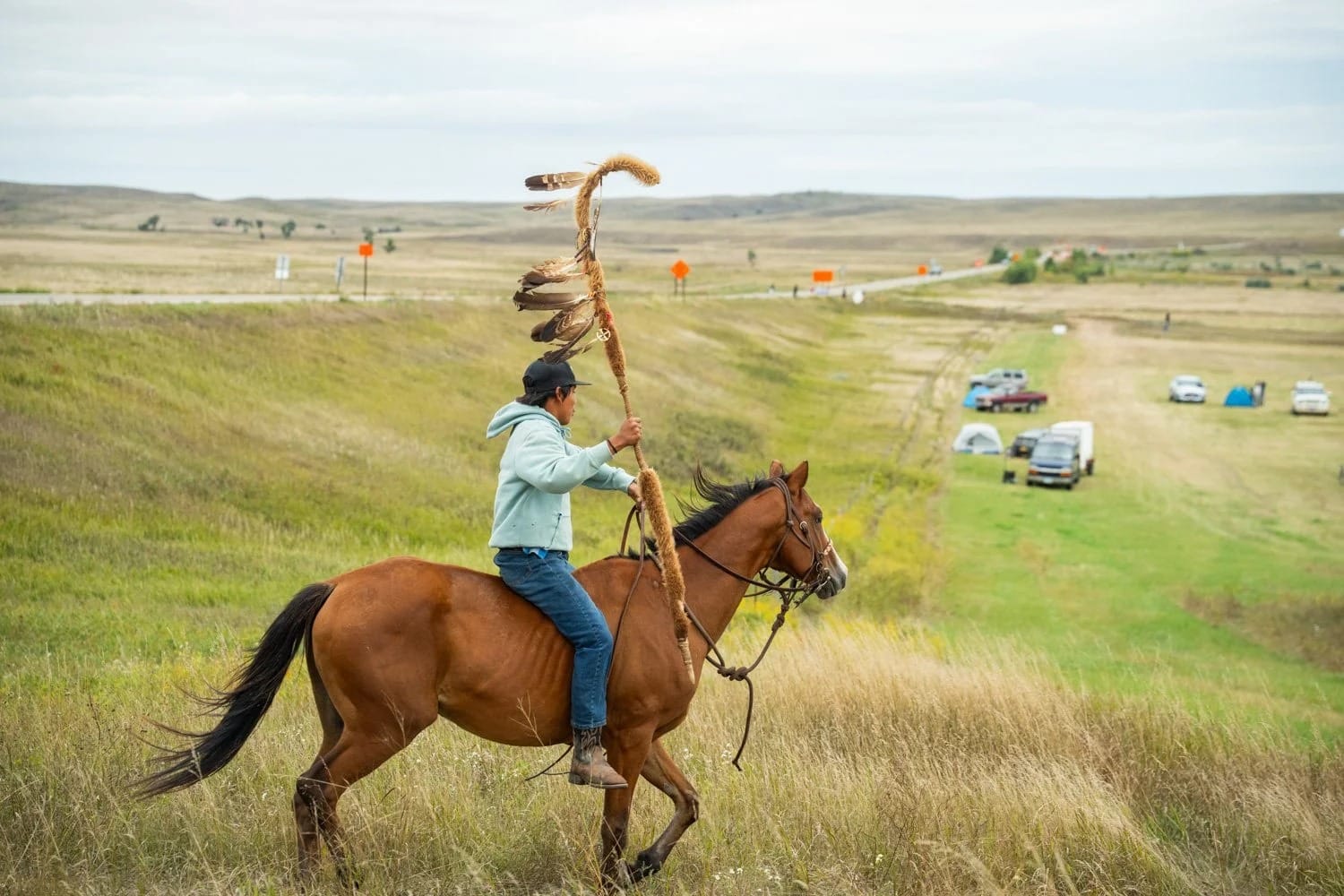
Why did you return to Standing Rock?
It was my first time back to the land at Standing Rock since 2016. That time radically changed my life forever. It is why I do this work; it was the birthplace of Humanizing Through Story and the birthplace for a lot of resistance work around the world. I was humbled to get to share this space with so many incredible humans and honored to be allowed to document the event and celebrate these Water Protectors and Land Defenders through photos.
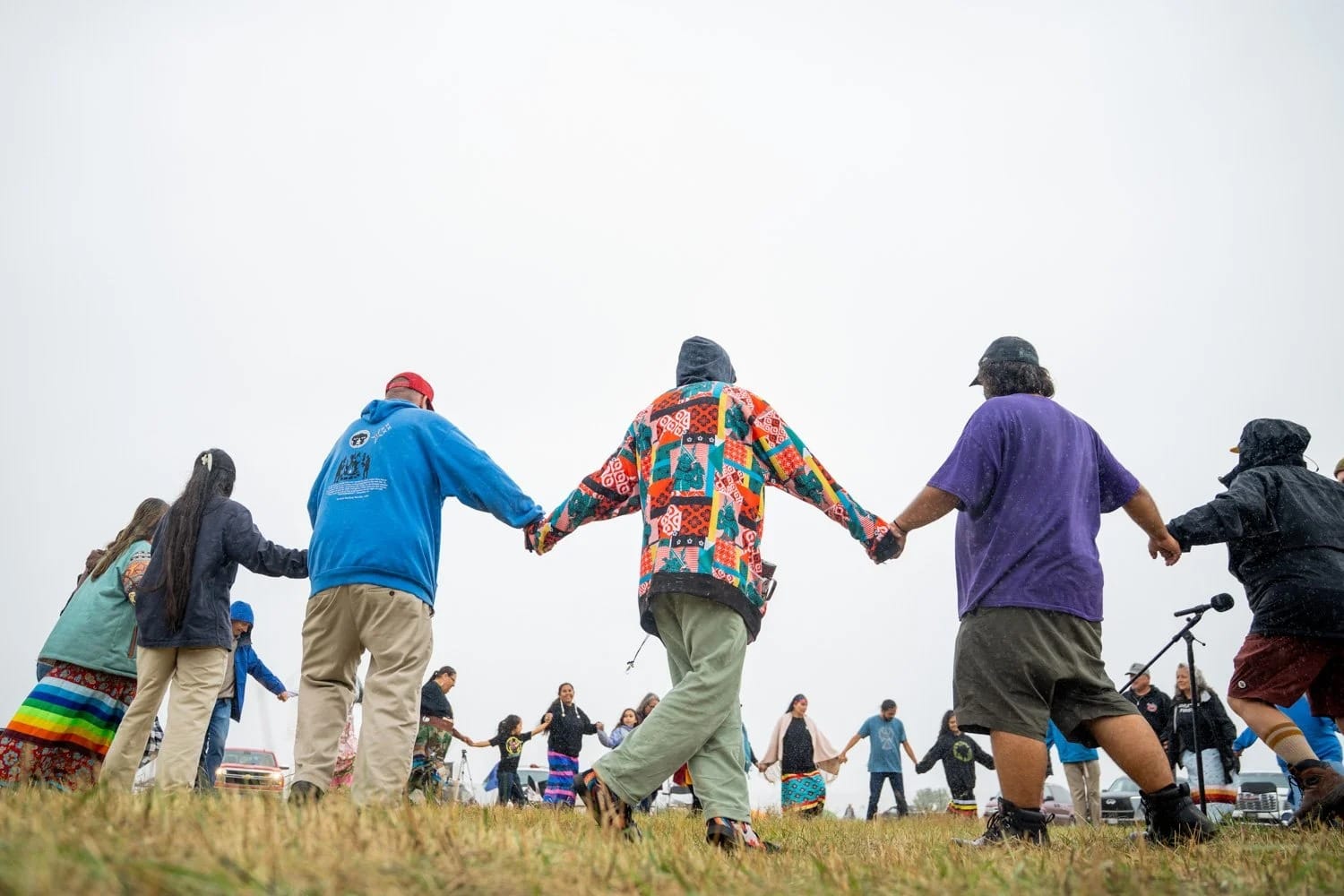
What was the energy like?
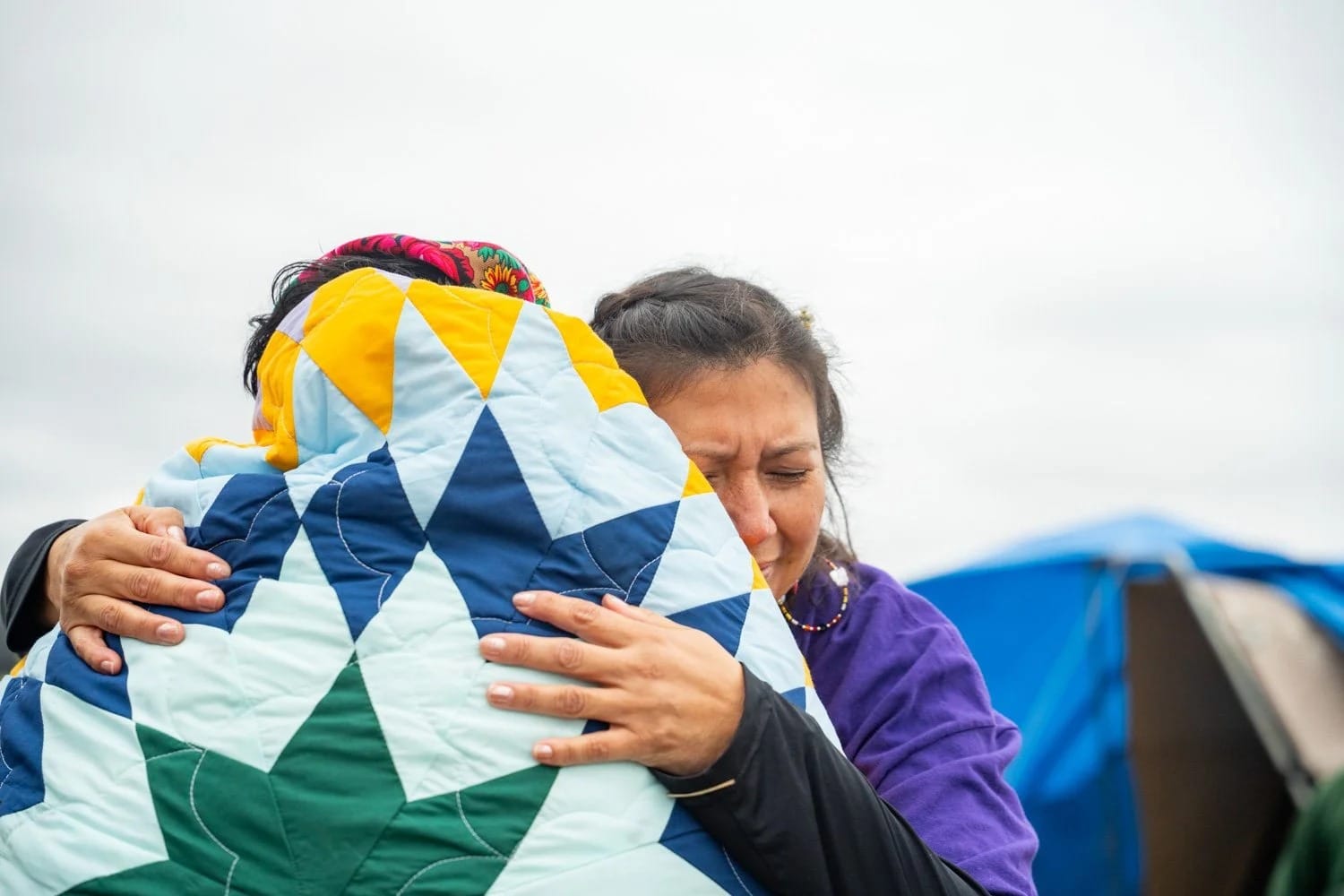
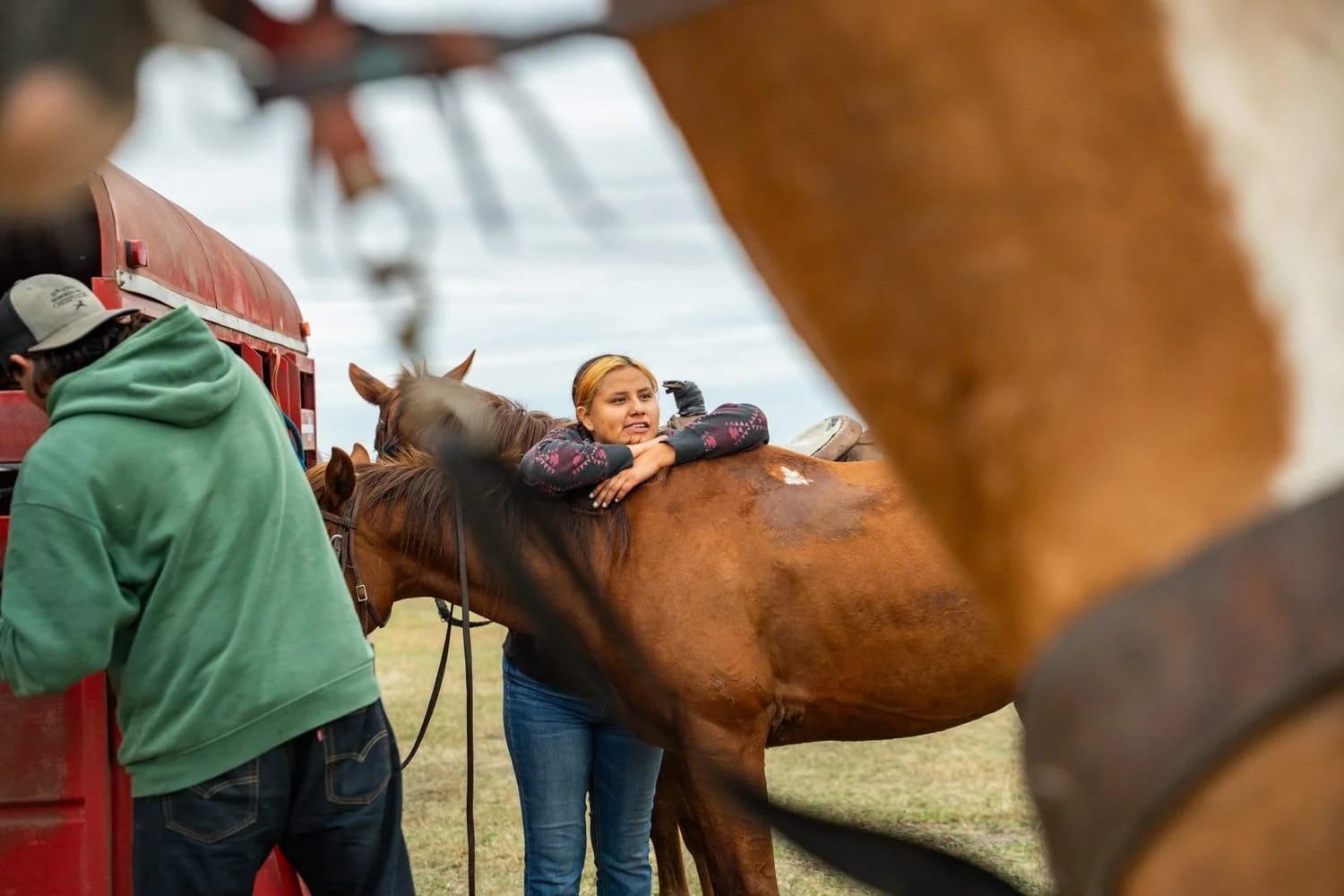
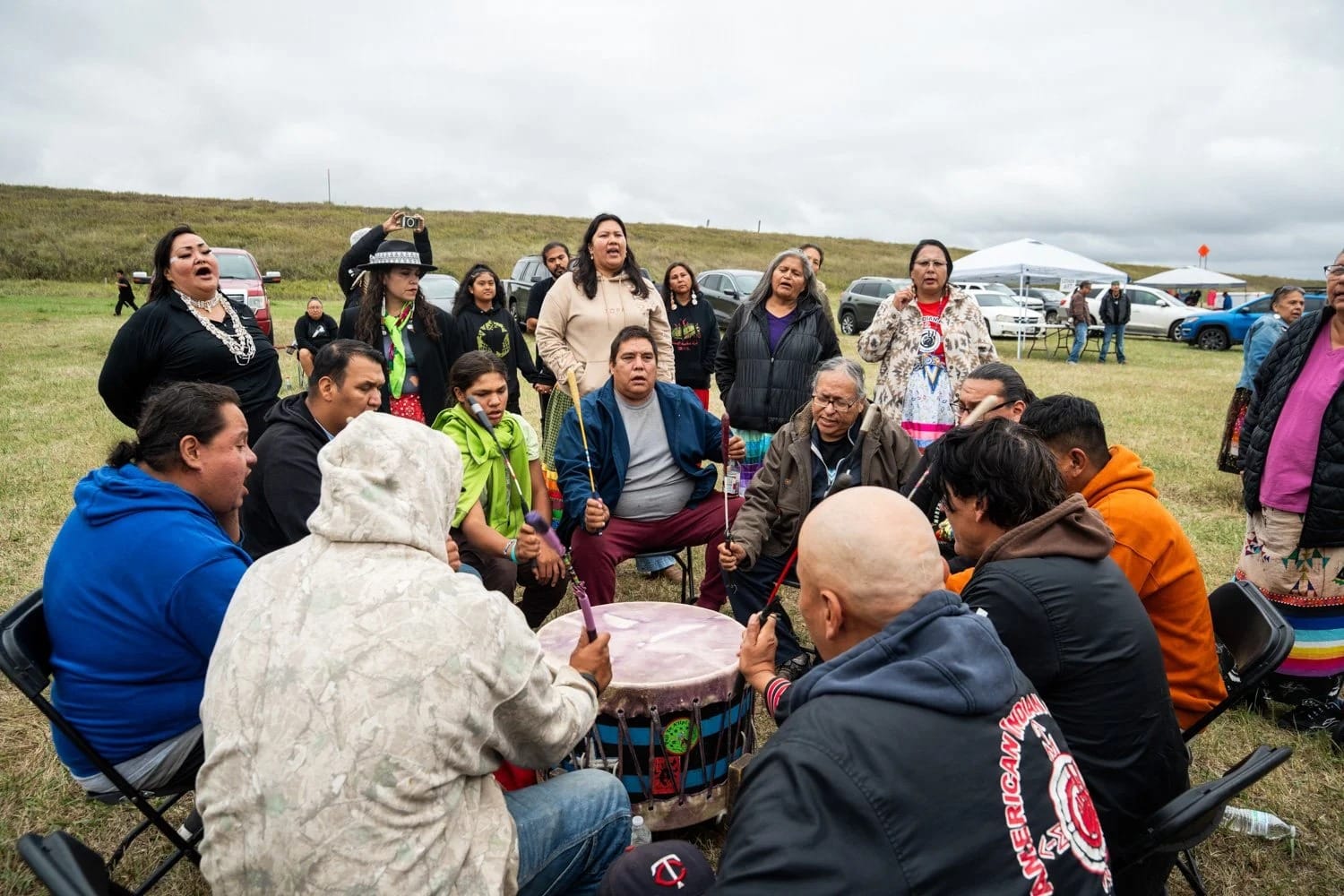
It was a reunion not only with people, but with the land, itself. It was a space of joy, reflection, processing, mourning, and mobilizing to continue movement work. People came from across the country to be here once again. People were honored for their sacrifices during #NoDAPL, including some who had been arrested, harmed, injured, or even jailed for years for their resistance to the pipeline.
There were moments of celebration with music and ceremony, art and dance, and spaces set aside to honor the lives of people who have since died in the last 10 years. Meals were shared as a community. There were updates about legal battles and other pipeline or environmental battles, speakers who addressed trauma, and elders who shared stories and wisdom.
© Humanizing Through Story/Jon Stegenga
What were some of the most powerful moments from the reunion?
For me personally, it was just meeting some of the people. Getting to shake hands with warriors who have risked everything to protect the earth and its people. It was truly humbling to be around them, many of whom have been doing this work long before Standing Rock and continue to show up and fight to this day.
"It was a reunion not only with people, but with the land, itself."
They honored the people who were arrested and jailed during the protests. Some people hadn’t seen each other since then, after they were forced out of camp by militarized forces. Just getting to share space and be on the land that brought purpose and direction to so many people.
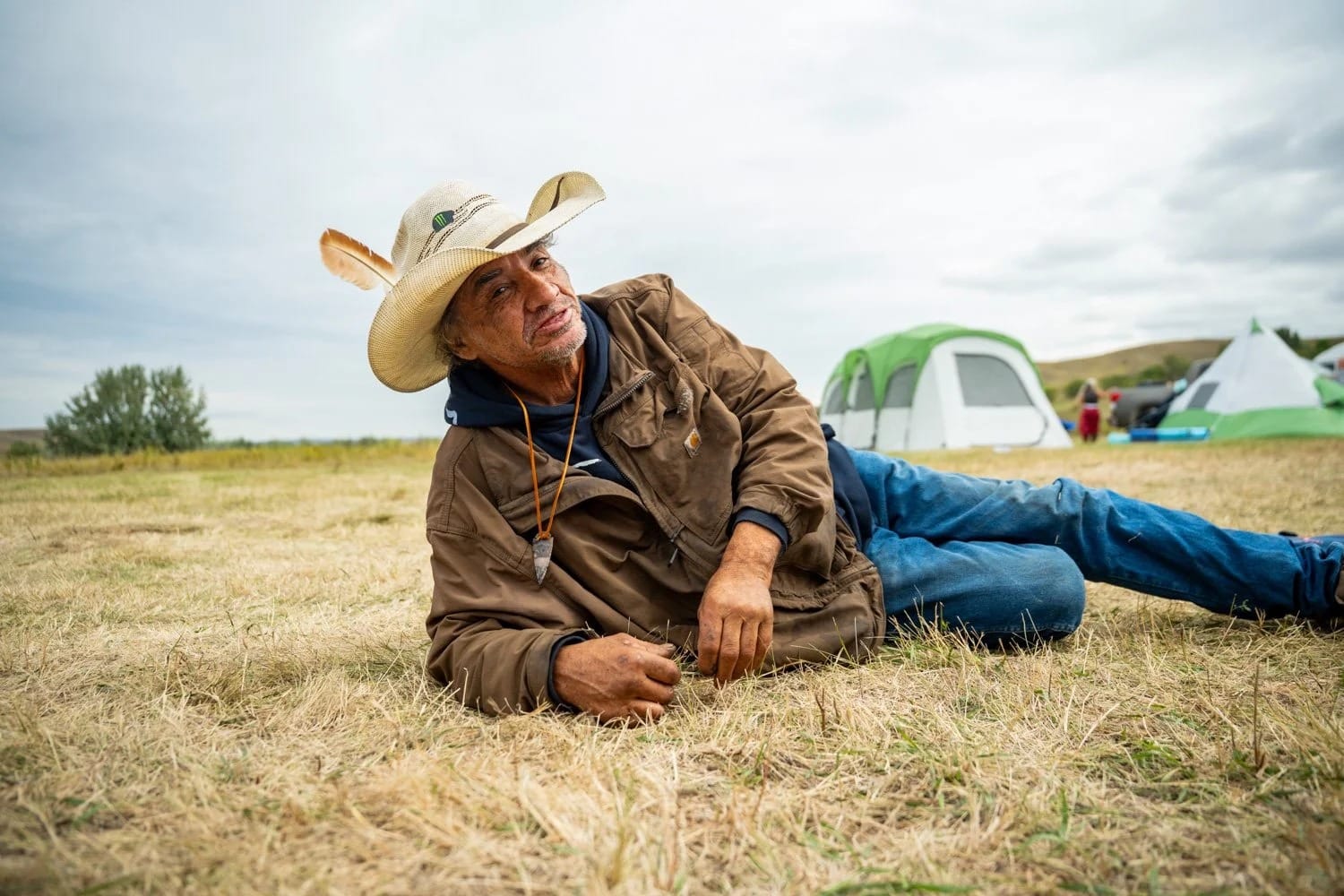
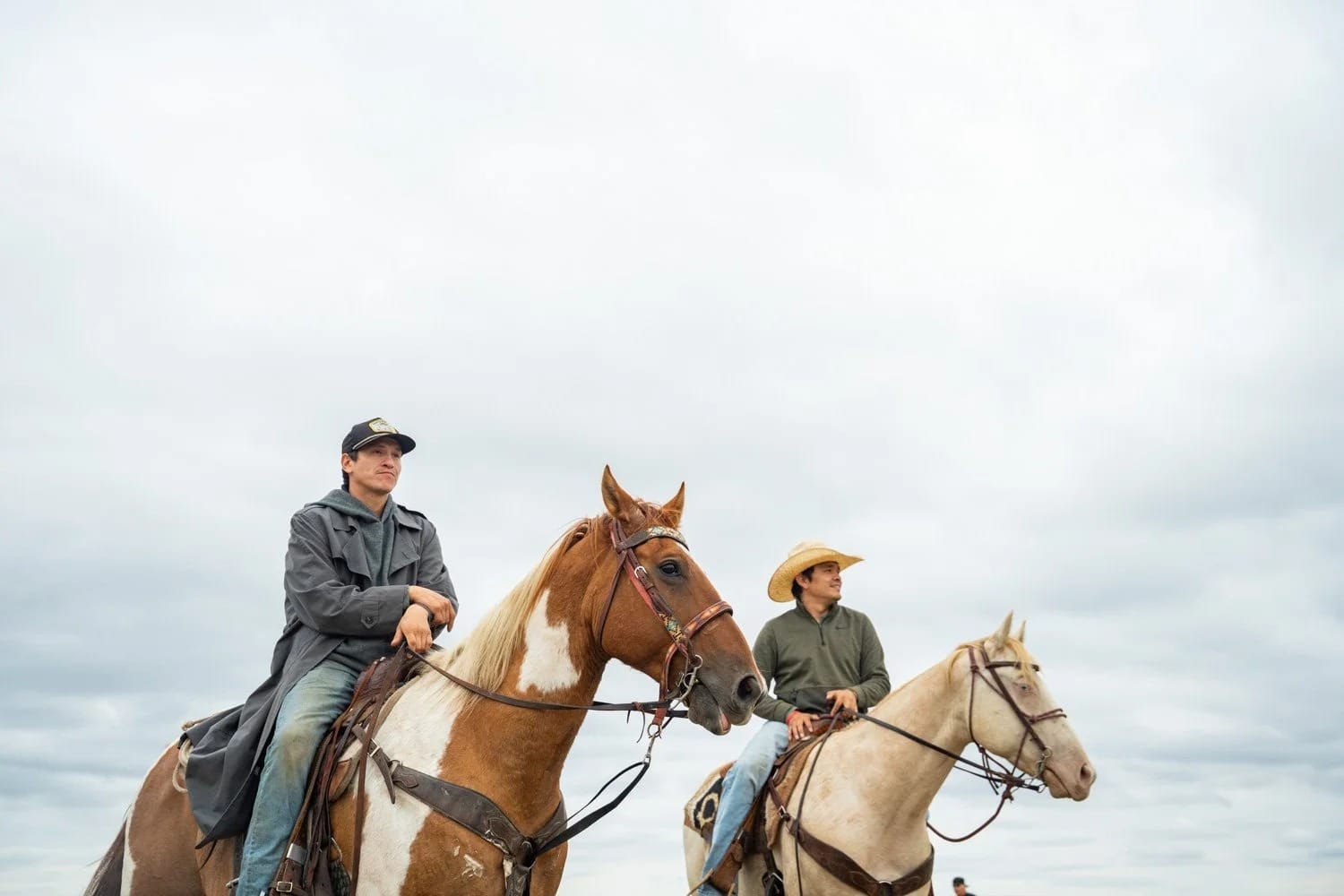
© Humanizing Through Story/Jon Stegenga
What story do you hope these photos tell about Standing Rock?
More than anything, I just want the photos to honor the people and the Standing Rock movement. I want them to give a glimpse of the strength and beauty of each and every person there at camp.
I hope it reminds people of the work that is still happening and the fights that are still needed. I hope it reminds people of what happened there, and of the radical shift it caused in countless lives around the world.
I hope it reawakens people and stirs something within them to show up to the next movement. May these photos tell the stories of resilience.
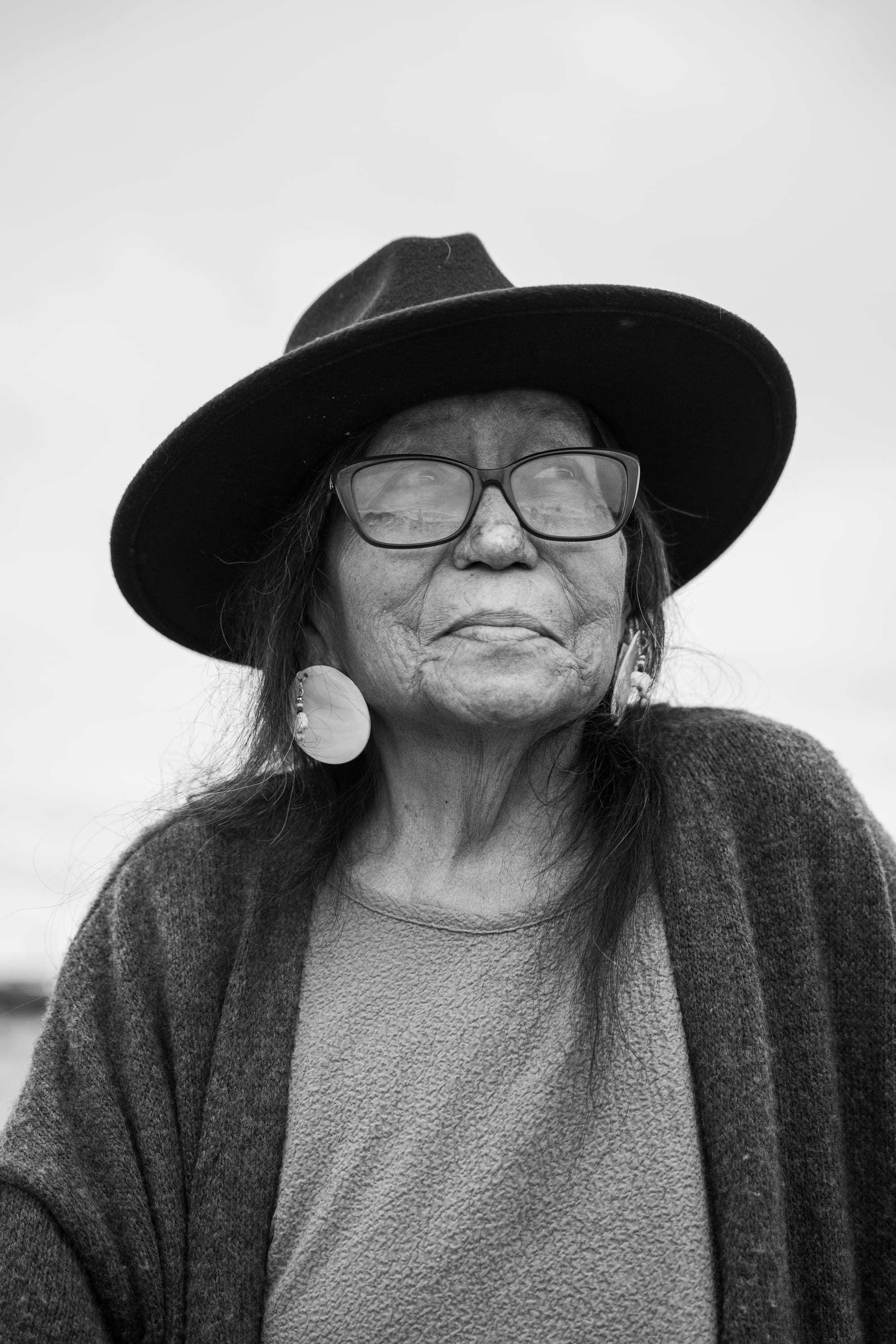
You chose to live in a van full-time to do this work. Why?
This work is about showing and advocating for humanity, and part of humanity is being present with people. Movement work is always complex, multifaceted, and full of nuance, and sometimes even months on the ground is not enough to really share that fully.
I get to plug into spaces for months at a time, which allows me to meet and know the communities, and build trust. Proximity changes things, and when you show up day after day, through extreme weather and very harsh conditions, you become a trusted face.
"Movement work is complex and goes far beyond that burning dumpster."
What is the difference between your photography and how mainstream and corporate media typically portray movements?
Corporate media can feel very intrusive. Many times, they have an agenda when they show up. They pop in real quick to get that shot of a dumpster burning or a yelling match between opposing people. It sews distrust between people and the media, and how I approach it, I hope to build that trust. But listen, I am a white guy with a camera entering some heavy spaces, and those people do not owe me anything; they do not owe me their trust. Movement work is complex and goes far beyond that burning dumpster.
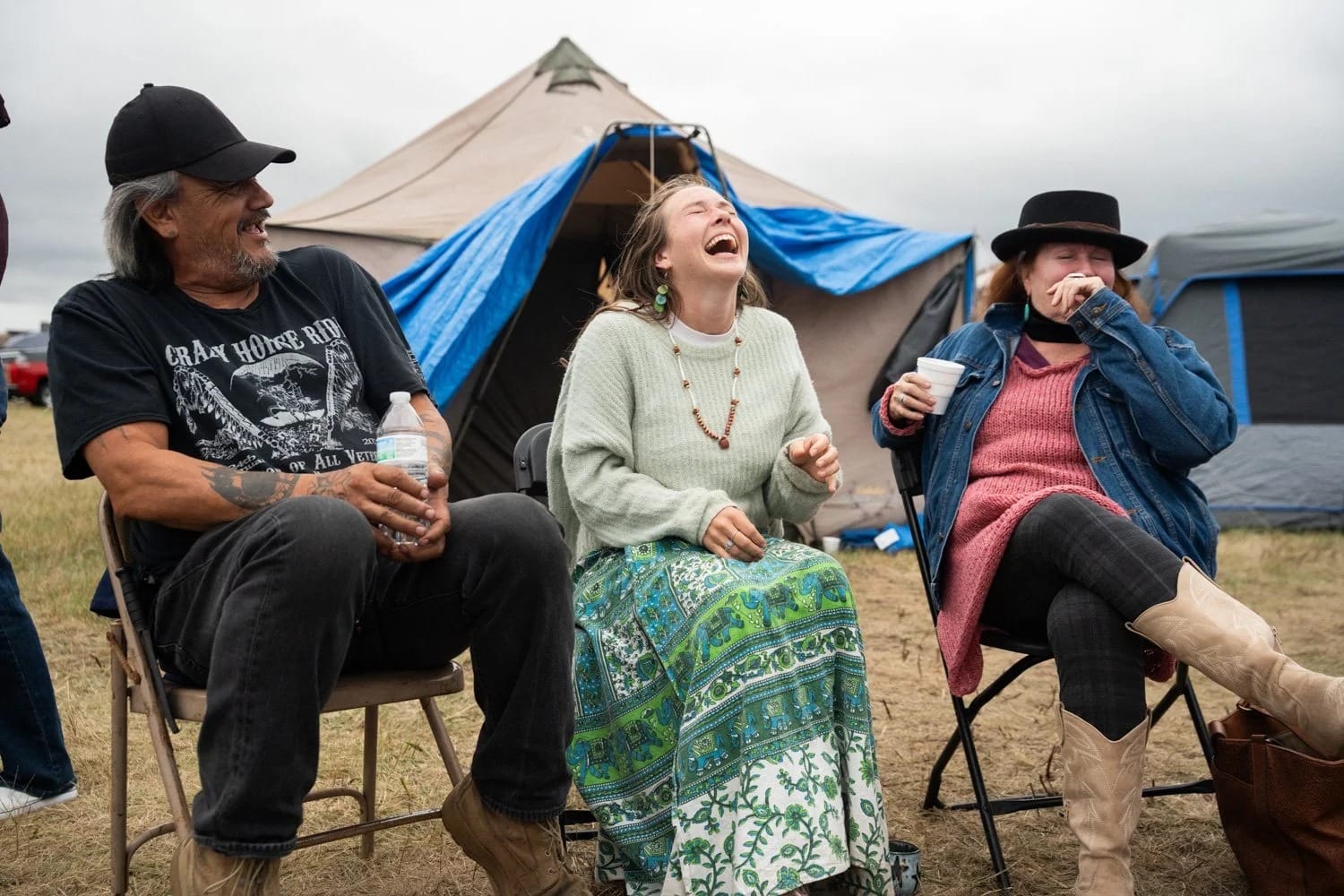
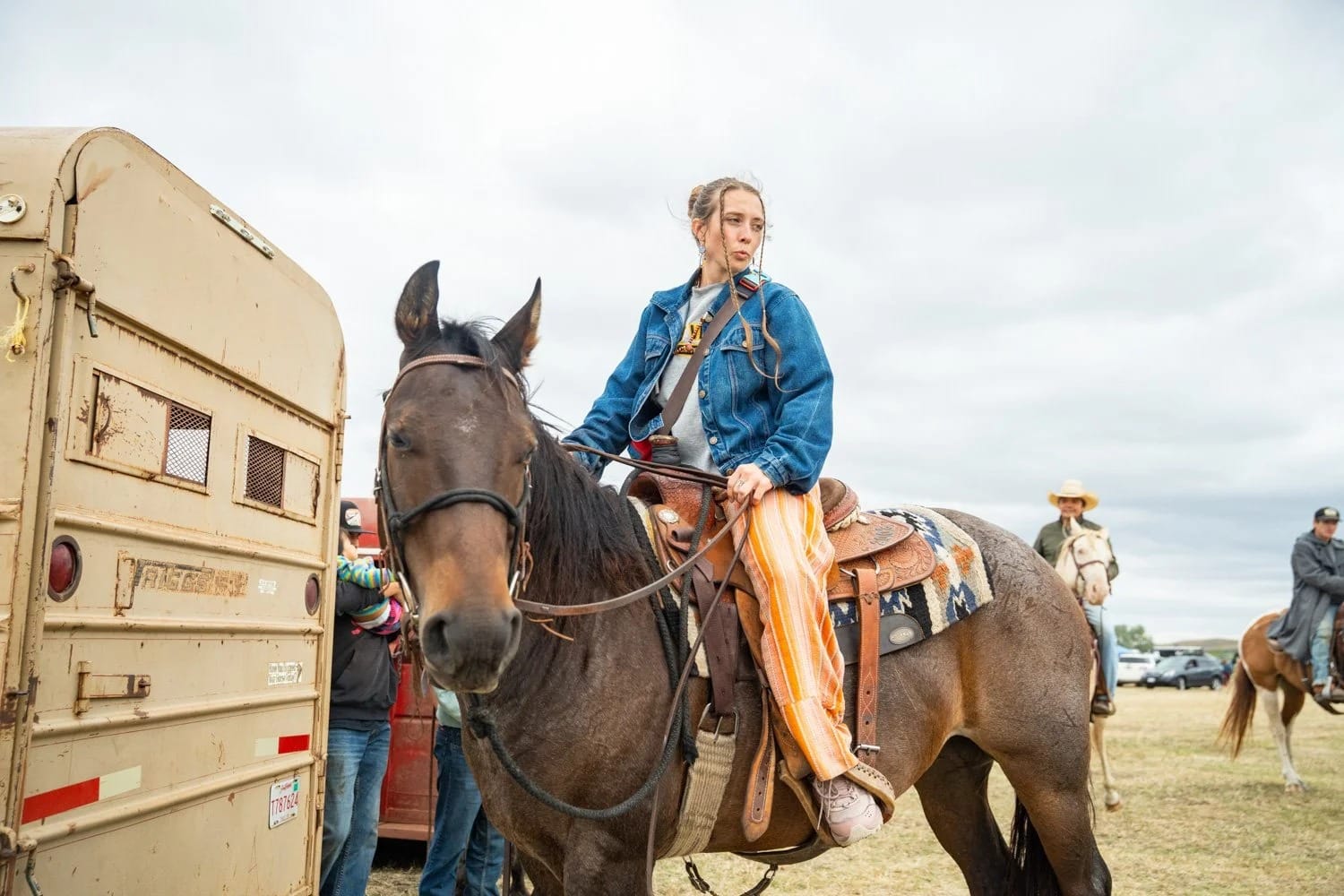
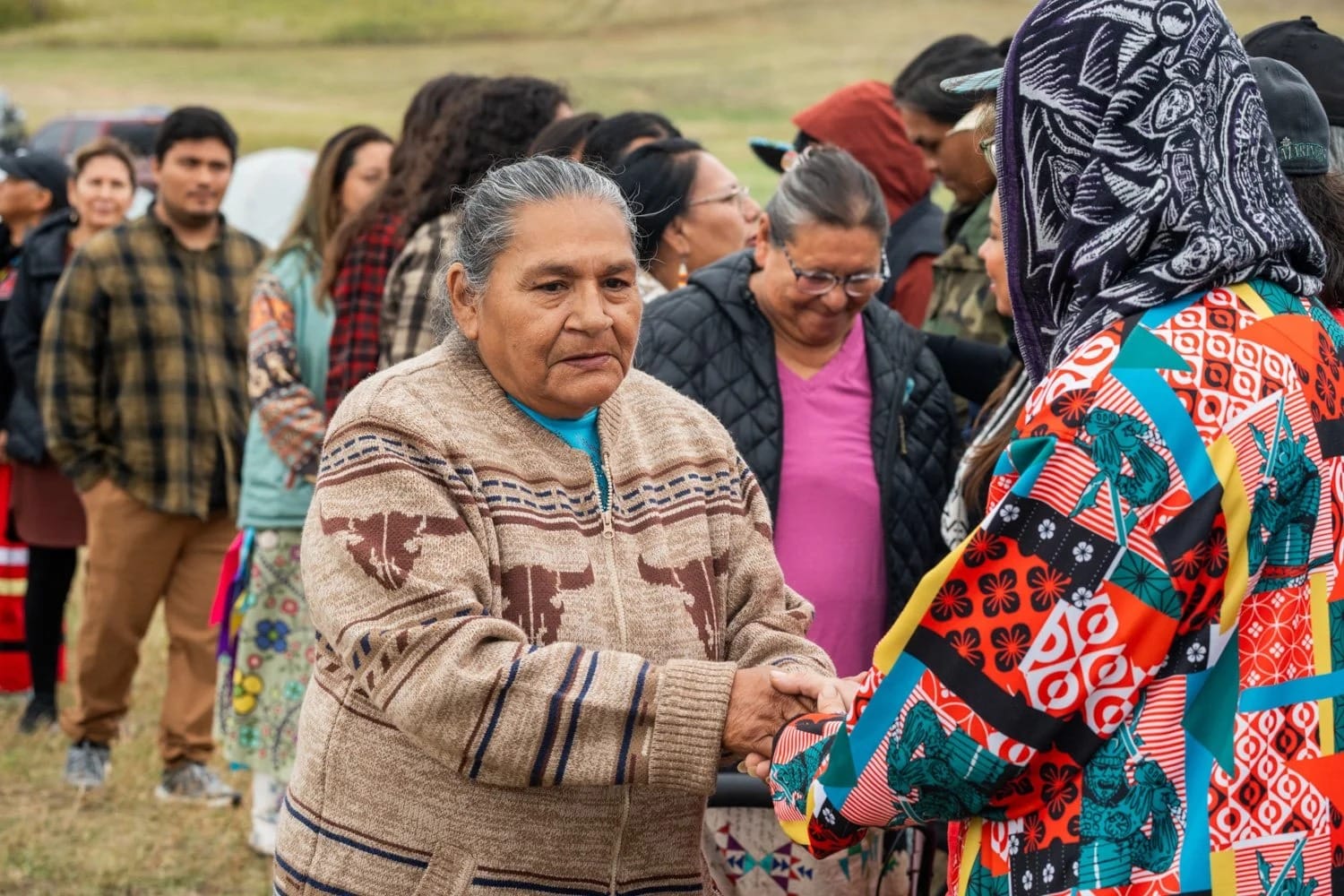
© Humanizing Through Story/Jon Stegenga
How do you define movement photography?
It is countless hours of organizing, mutual aid, skill sharing, community service, legal battles, petitioning, marching, front line action, harm reduction, and so much more. I want to highlight all of those things. I want to sit with the people, hear directly from them, and then share a meal with them. My photography is about relationships and connection. Movement work at its core is about people and wanting better for humanity and our futures.
Many movements are fighting for a better future for all people, even the people who are causing the harm. I want to challenge the idea and labels of "it's a bunch of tree-hugging hippies," whatever the movement might be about, and show that the work these people are doing is about all of us.
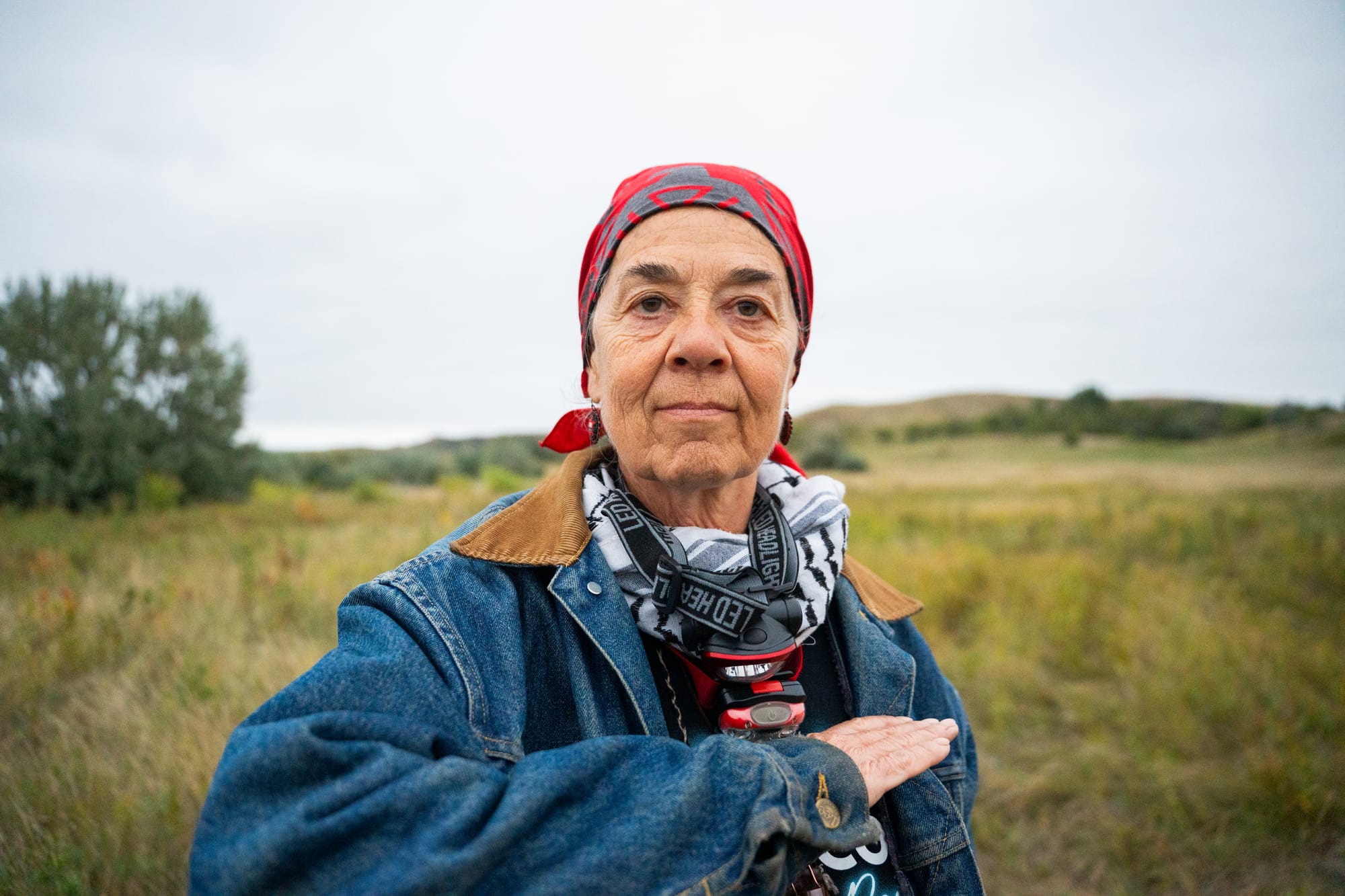
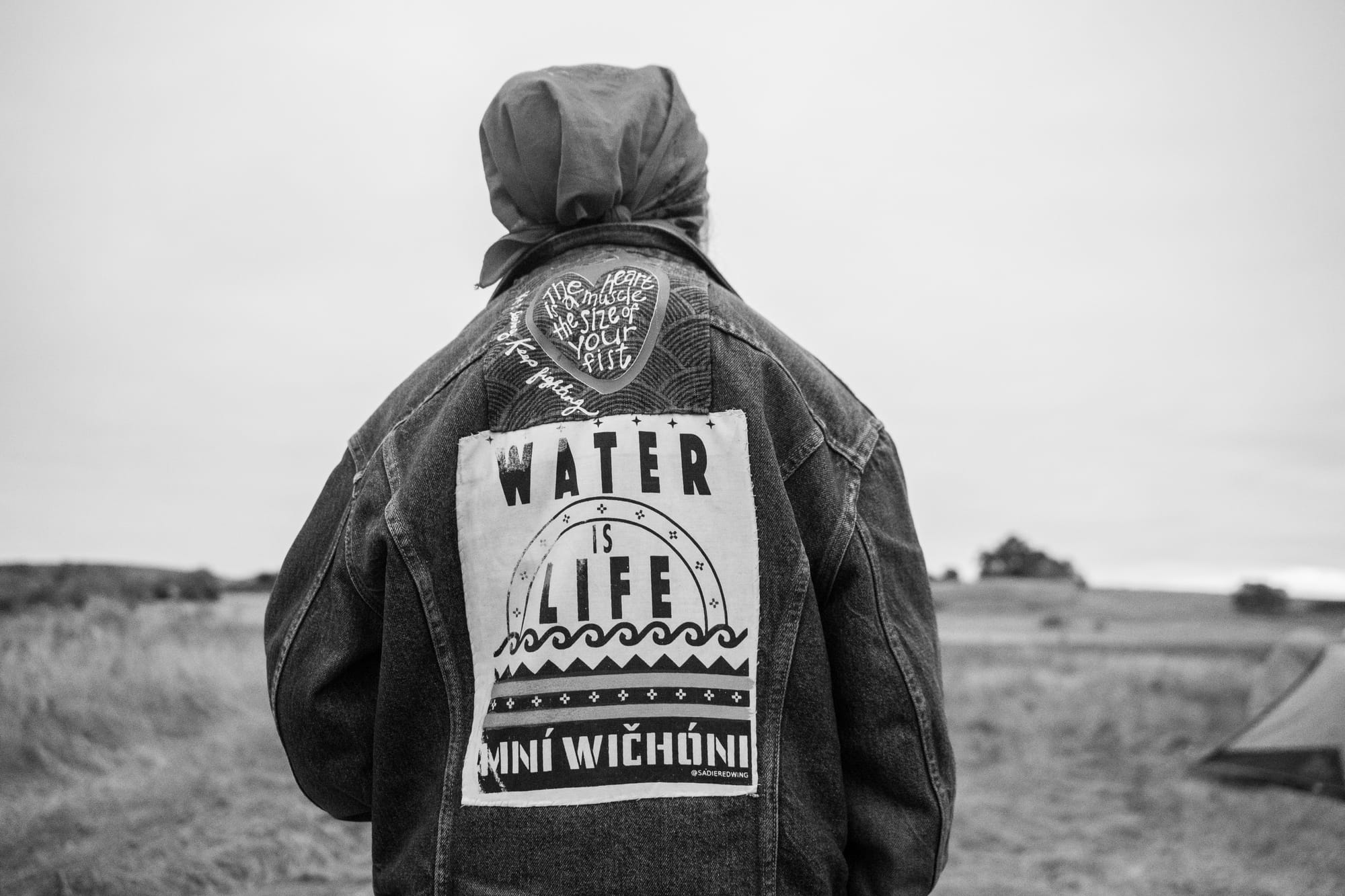
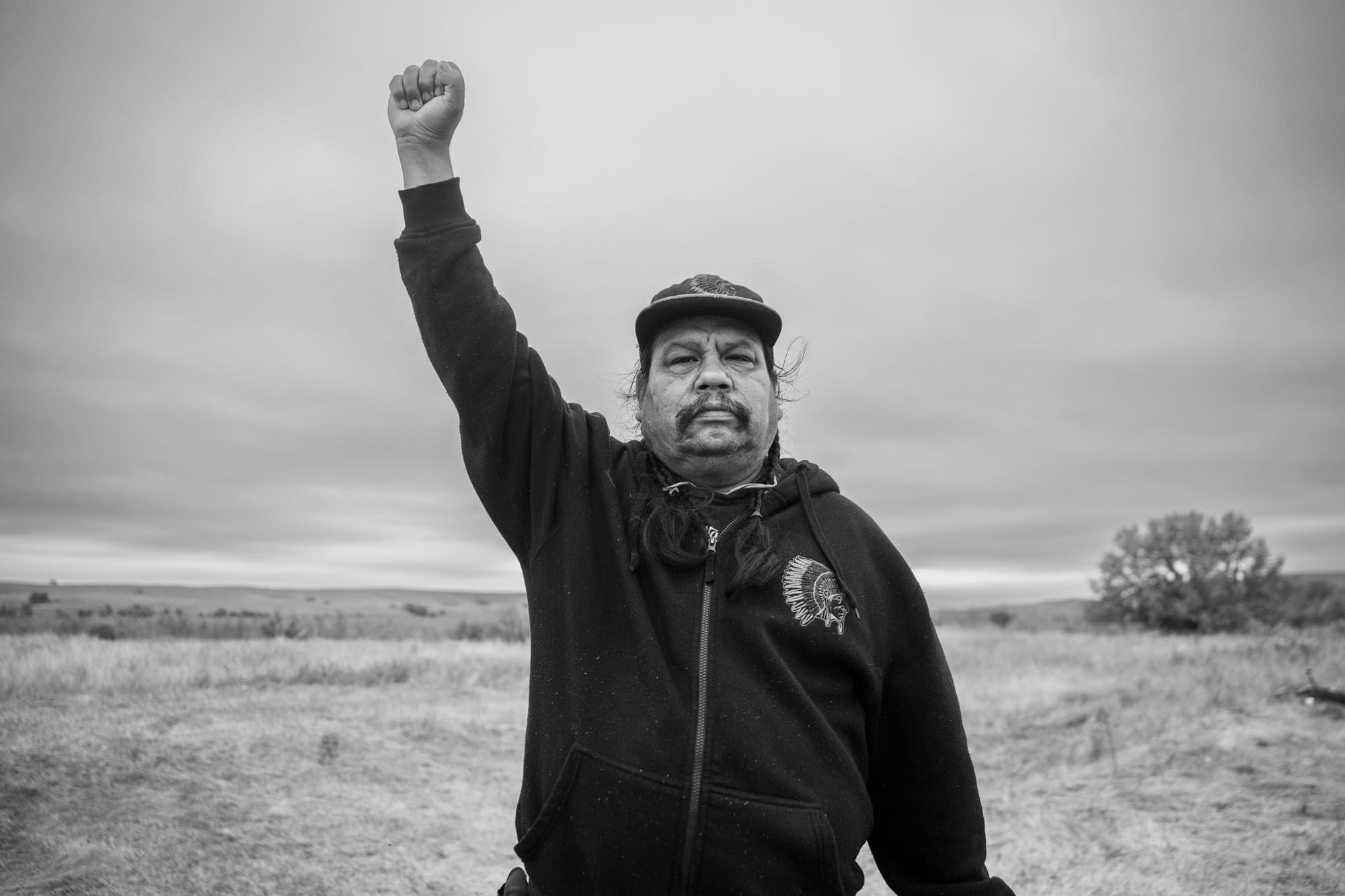
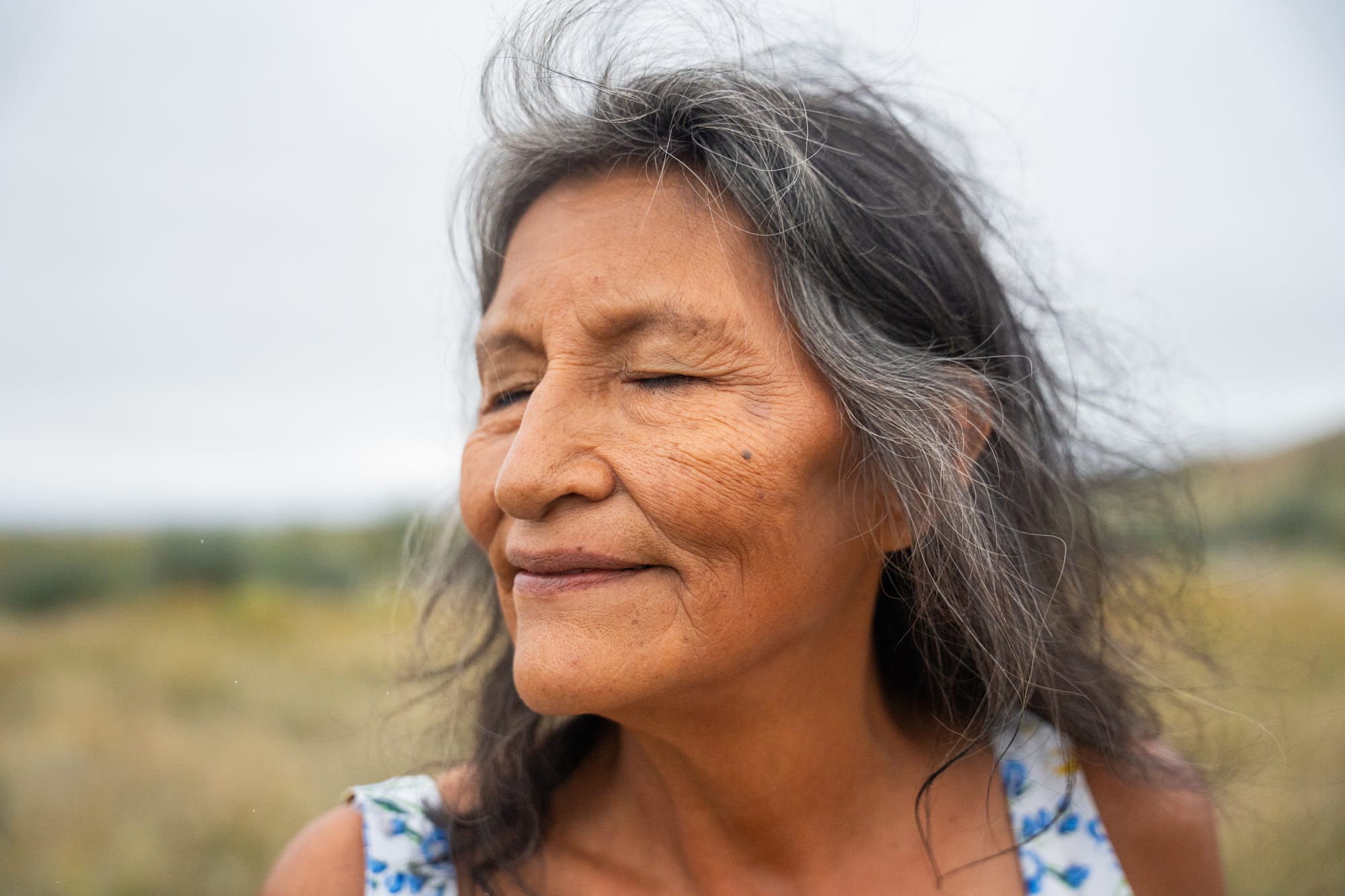
Joan Candy Fire (bottom right). © Humanizing Through Story/Jon Stegenga