


Did you know that Black Americans own less land now than they did during Jim Crow? That’s the reality Brea Baker makes clear in the newest episode of A People’s Climate.
Baker is a sixth-generation Black land owner in the South and the author of Rooted: The American Legacy of Land Theft and the Modern Movement for Black Land Ownership. She’s spent her life tracing the history of land theft in the United States and its direct ties to extraction.
"What was first done to the land then was done to us as people and we're all suffering from it,” Baker said.
“We’re all breathing bad air. We’re all vulnerable to bad water. We are all experiencing more frequent and harsher natural disasters. And that’s because the people who have owned the land for the last few centuries have made really, really bad decisions.”
In this episode, host Shilpi Chhotray and Baker discuss how predatory land practices continue to harm our planet and communities: from Indigenous land theft, to plantations that later became sites of petrochemical pollution, to the forced industrialization of Black-owned farms and systematic neglect these farmers now face from the Department of Agriculture.
That’s why Baker says reparations can be one way of fighting this extraction. They aren’t just about cash payments. They’re about returning land to its original stewards, reviving their value systems, and investing in communities with generational knowledge about ecosystems — and building a healthier environment for all.
P.S. Today is Election Day! Check your voter registration status here.
A Note from Shilpi
What Season 2 of A People’s Climate is teaching me about narrative, institutions, and political power
There’s a thread running through nearly every conversation this season: the way institutions use language to explain and legitimize their power. National security, judicial neutrality, environmental protection, and public safety are not meaningless terms, but neither are they neutral ones. Read more
Movement News
Puerto Rican farmers feed their communities without relying on industry
On an island where 80% of food is imported and disasters worsen food insecurity, the Súper Solidari is showing why survival means producing locally. Read more
A tribe in Ecuador defeated Big Oil. Now it's helping Brazil do the same.
To strengthen their defense of the Amazon rainforest, Indigenous leaders in Brazil met with the Kichwa people of Sarayaku, who forced out an oil company in the early 2000s. Read more
Worth Revisiting
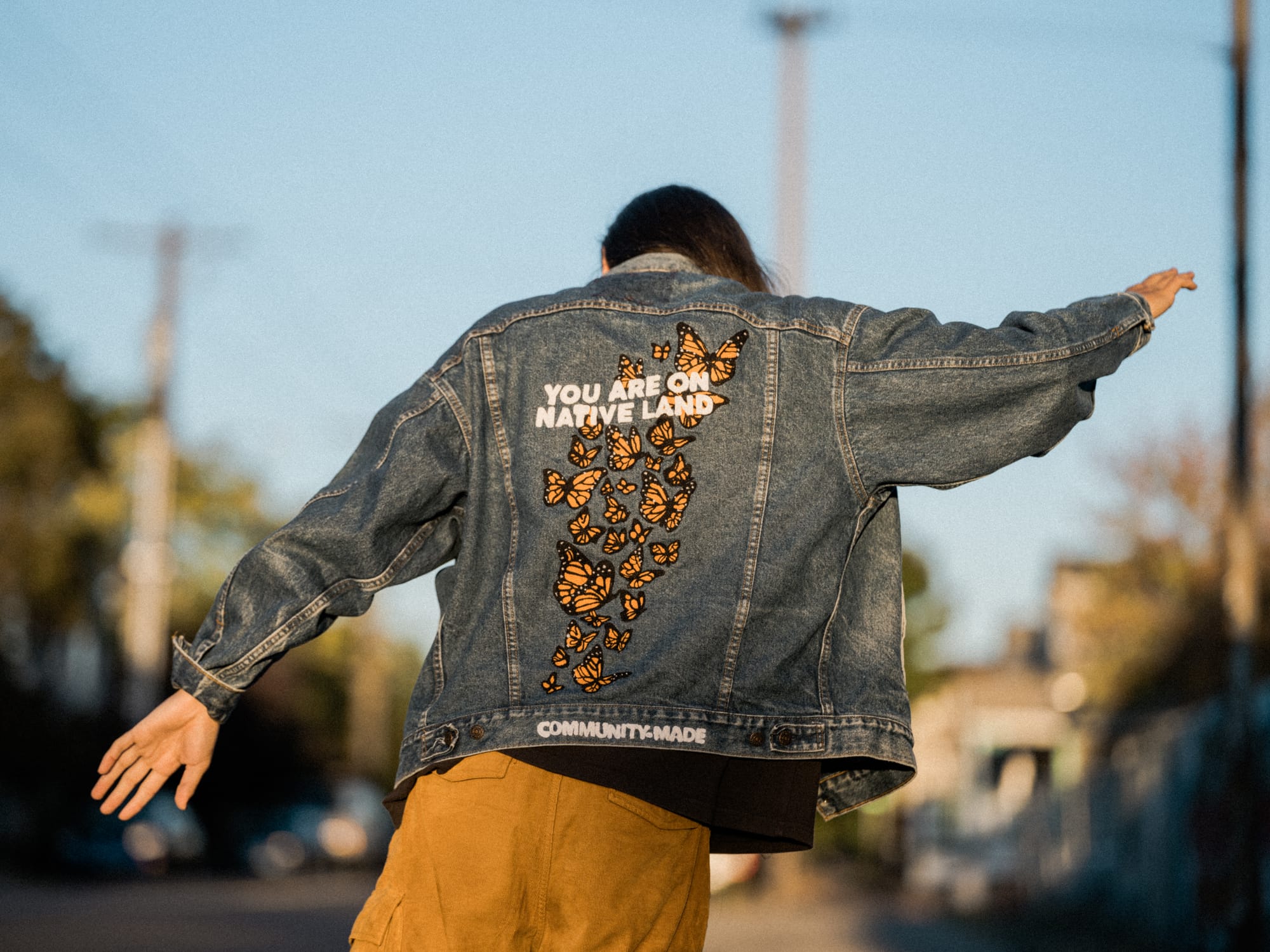
Restorying Our Relationship to LandBack and Reparations
Kailea Loften and Kyle Mays reflect on When We Are Kin.