


Tobacco was a part of my childhood. Family gatherings at my grandmother’s house were accompanied by the faint smell of cigarettes. I could tell which uncle arrived on her doorstep based on the scent that would seep in through the front door — and the sound of a harsh cough.
Like many people, I grew up believing all tobacco is bad. But a new documentary shows tobacco can be something different than what it has predominantly been sold and marketed as.
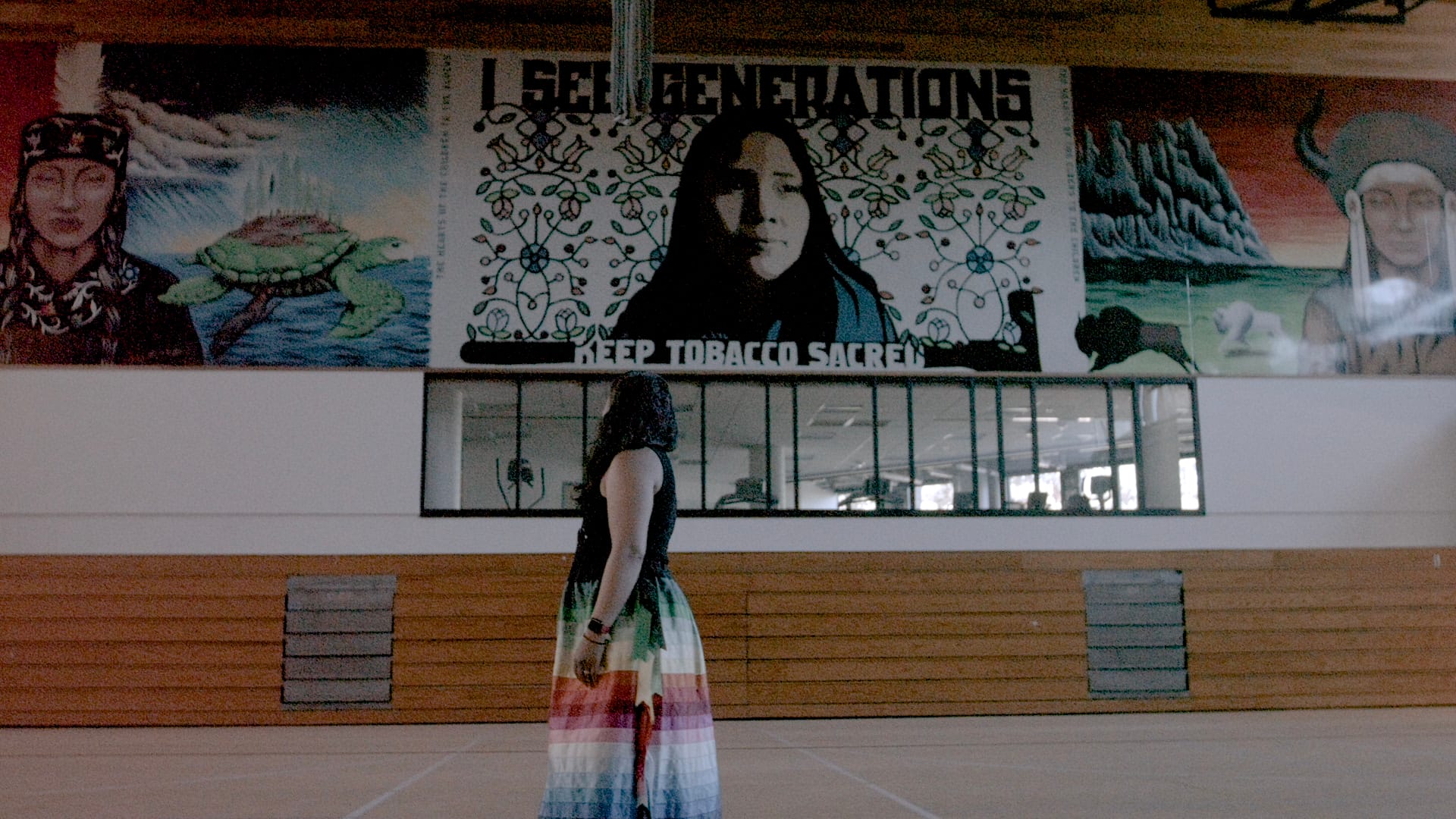
Keep Tobacco Sacred, directed by filmmaker and historian Lincoln Mondy and produced by Hassan Hassan, follows Indigenous people’s efforts to reclaim the plant from the tobacco industry.
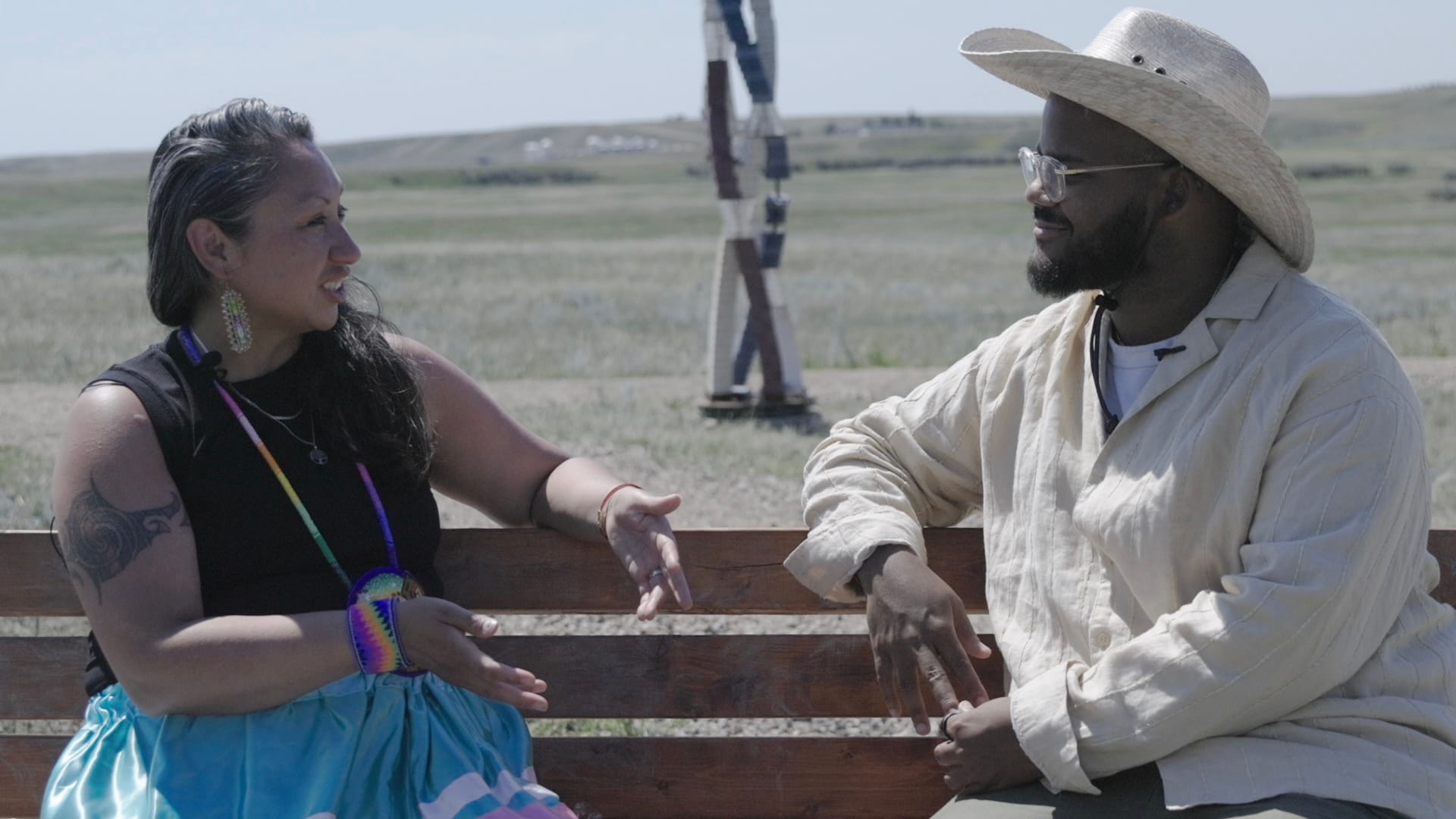
The film is hosted by CoCo Villaluz, a community, education, and policy worker who is of Hidatsa, Assiniboine, and CHamoru heritage. She and several tribes are working to restore the sacred tobacco plant their ancestors have used in cultural traditions for generations. For them, tobacco is not a commodity. It is a gift from the Creator.
“When I think about a world without the tobacco industry, I think about what our communities could reclaim,” Villaluz said. “To me, that's really about sovereignty. It's about being able to tell our own story and making sure the seventh generation inherits our teachings, our culture, and healthier communities — not the harms created for someone else’s profit.”
Before the United States empire was born, colonizers used tobacco to fund the invasion of the Americas. By 1627, half a million pounds of tobacco were being shipped out of Jamestown, VA, the first settler colony in what would eventually become the U.S.
Today, commercial tobacco disproportionately harms Black and Indigenous people. The industry’s products contain thousands of carcinogenic chemicals and can release up to thousands more when burned.
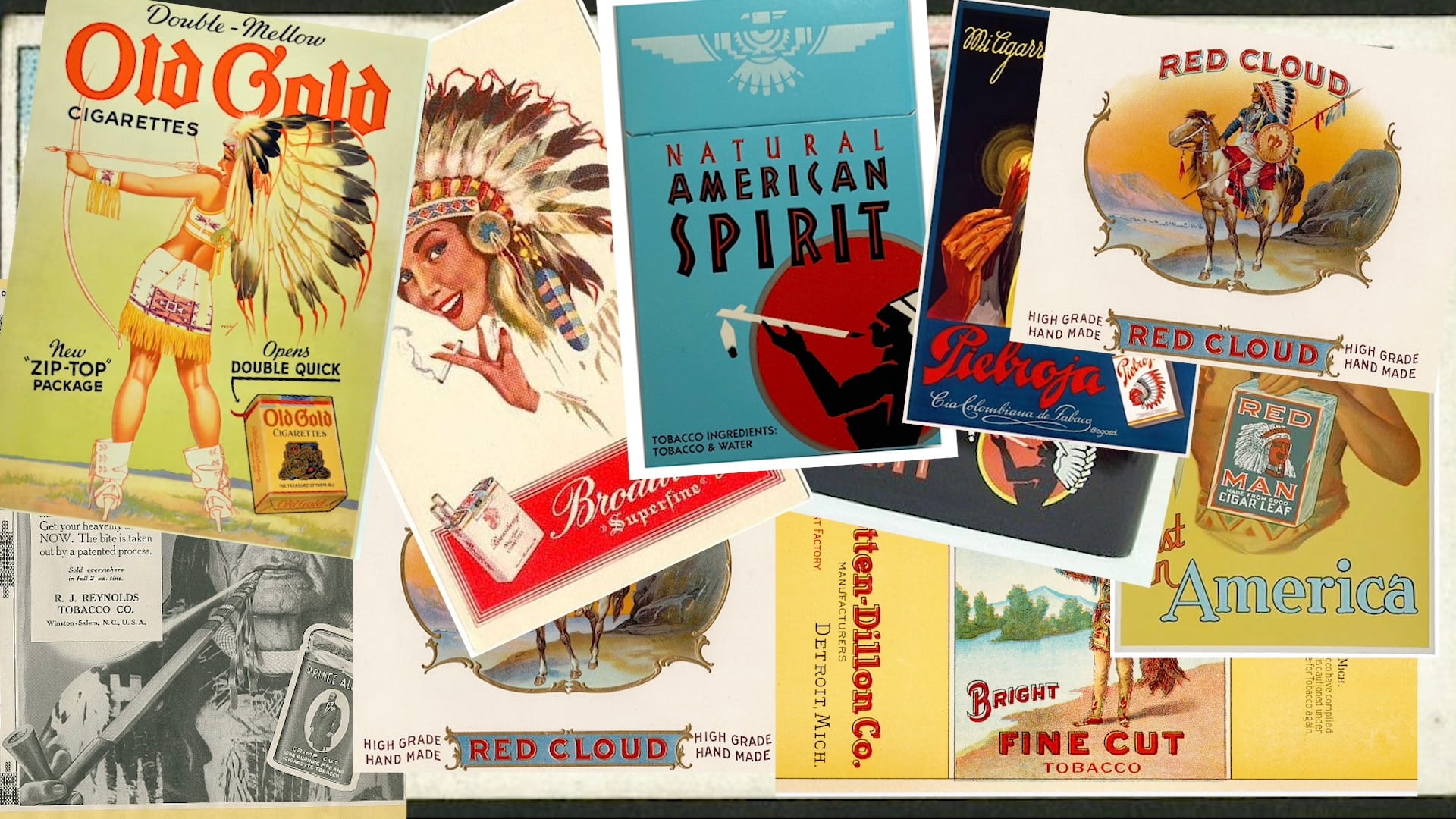
It has deployed sinister marketing tactics to target Black communities for customers. And it has written over the cultural practices Indigenous people used with tobacco long before the first colonist ever set foot on their soil.
Keep Tobacco Sacred is the third of Mondy’s Black Lives / Black Lungs trilogy, which examines the origins and impact of the commercial tobacco industry on Black and Indigenous Americans. The final film offers a way forward by taking a look back at the plant that existed long before the industry.
Mondy and Villaluz spoke with Counterstream about the film, tobacco’s role in the U.S.’s legacy of colonization, and how communities can work to heal themselves from colonial extraction.
Watch Keep Tobacco Sacred here.
This interview has been edited for length and clarity.
Before tobacco was commercially sold in cigarettes and other products, it began as a sacred medicine. Tell me about that.
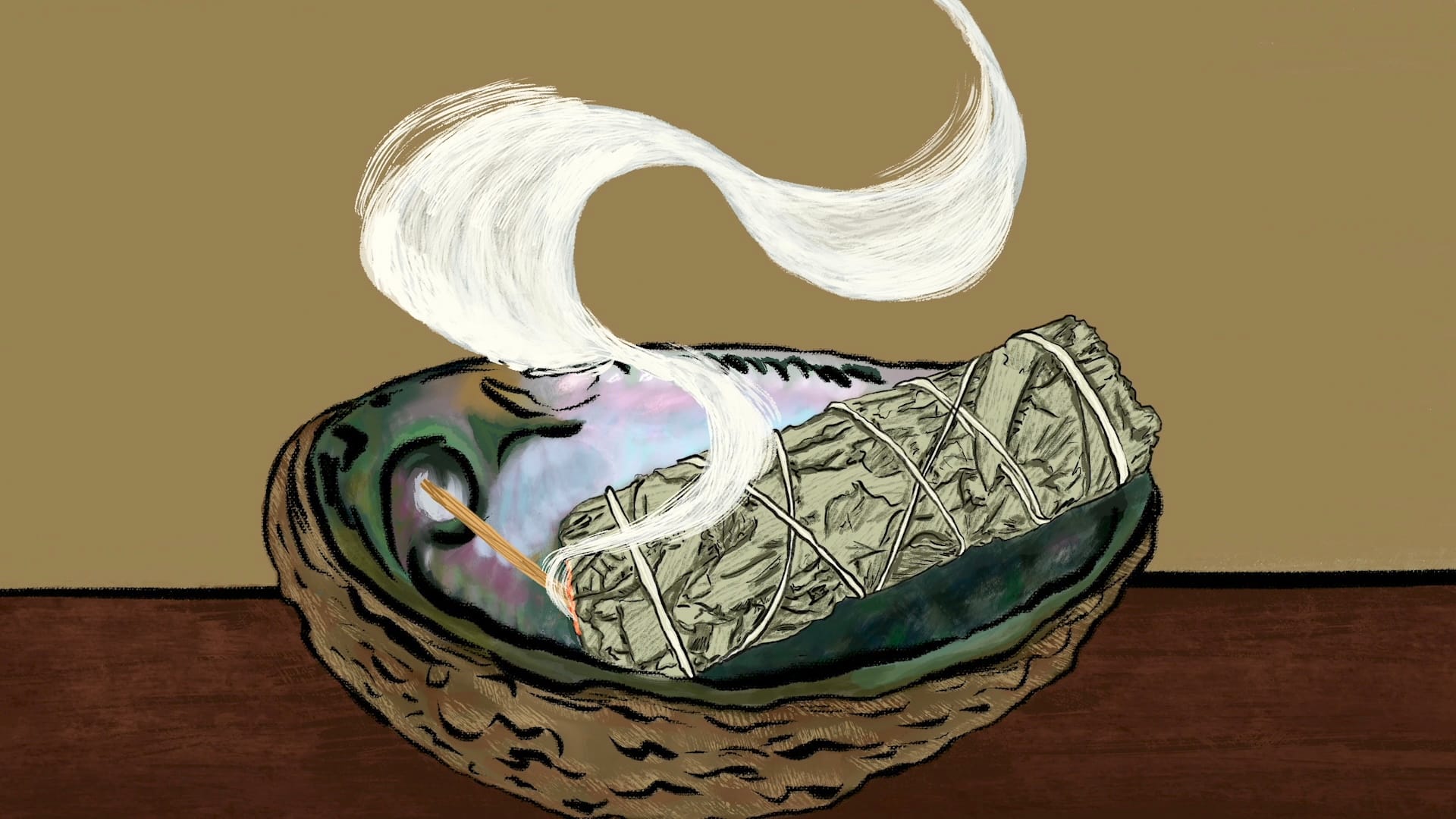
CoCo Villaluz: For many Indigenous peoples, tobacco has always been much more than a product or something that is smoked. Tobacco is a sacred medicine, and it has been part of our ceremonies, prayers, and relationships with one another and with the Creator for generations.
Traditional tobacco is used with intention and respect. We offer tobacco when we are asking for guidance, giving thanks, honoring someone, beginning a ceremony, or building a relationship. Tribal Nations have their own teachings, traditions, and medicines, so there isn't one single Indigenous way of understanding tobacco.
How are traditional tobacco and commercial tobacco different?
CoCo Villaluz: Commercial tobacco was developed as a commodity, while our traditional tobacco is a sacred medicine rooted in culture, spirituality, and relationship. That distinction is really at the heart of why we say, “Keep Tobacco Sacred.” We want to reclaim that understanding and remind our communities that tobacco has a sacred place in our cultures. Our world will never be tobacco-free and that isn't the goal. The goal is to protect the sacredness of tobacco, while reducing the harms caused by commercial tobacco and creating healthier environments for our families and future generations.
Why do you call tobacco “America’s First Great Enterprise?”
Lincoln Mondy: When people think of early industry in America, they most likely think of railroads. Shows like The Gilded Age, games like Monopoly, and watered-down history books frame the 19th-century development of railroads as the first example of “American industry.” But if we rewind before America’s so-called founding in 1776, the nation’s economic foundation was built on the theft of land, life, and traditional tobacco. Commercial tobacco was a cash crop and a national economic driver.
Colonizers needed funds to fuel the genocidal campaign they called Manifest Destiny, but in Jamestown, VA, they were utterly failing at first. John Rolfe arrived in Jamestown in 1610 with sacred tobacco seeds he stole from Indigenous communities in the Caribbean. Seven years after his arrival in Jamestown, the colony was exporting 20,000 pounds of tobacco annually to Britain. By 1627, 500,000 pounds of tobacco a year were being shipped, giving birth to America’s commercial tobacco industry.
Why is the tobacco industry’s rise key to understanding the U.S.’s legacy of colonial extraction?
Lincoln Mondy: Today, the commercial tobacco industry remains a key case study in corporate power. The Supreme Court broke the industry up in 1911 for colluding to form monopolies. In 1998, 46 States, D.C., and five territories settled with four of the largest commercial tobacco companies for damage related to these companies knowingly making their products addictive. The $206 billion settlement, known as the Master Settlement Agreement, remains the largest civil litigation settlement in American history.
I’m sure this sounds familiar to many folks who have seen other industries amass more and more legal protection, allowing them to dodge accountability for stealing life, land, and opportunity. The commercial tobacco industry wrote the original playbook on how to do that. Whether it’s Big Tobacco, Big Pharma, Big Food, whatever the industry, this type of extraction and harm is not new — it’s the very foundation of our country.
Both Indigenous and Black people have been explicit targets of the tobacco industry’s marketing tactics. How far do these tactics go?
Lincoln Mondy: The industry tactic I found most egregious across both communities was infiltrating community organizations. My first film documents the industry's ties to the Congressional Black Caucus Foundation. In one scene, a former Foundation intern reads his letter on camera protesting the distribution of free cigarettes at past Foundation events. The third film shows the tactics the modern commercial tobacco industry is replicating, such as Juul pitching its products to eight Native tribes.
The fact that commercial tobacco companies sponsored galas, donated, or sponsored music festivals is not what’s troublesome — it's the coordinated strategy behind these acts. It’s a “charm offensive”: the industry targeted community groups that lacked sufficient resources, support, and protection, and used its deep pockets to pay for future favors.
You began your series documenting how the tobacco industry deliberately targeted Black people to sell its products. What is it like to end the series with the story of tobacco as a healing plant, rather than something that is intrinsically bad?
Lincoln Mondy: This trilogy started 10 years ago as a college project I thought would be a one-and-done, and it has since catapulted me into deep, transformational relationships, like the one I have with CoCo. The Black public health researchers I cold-emailed 10 years ago and who appear in, Black Lives / Black Lungs, my first film — Dr. Phillip Gardiner, Dr. Valerie Yerger, and Carol McGruder (who is in all three) — went from characters on storyboards to aunties and uncles who have guided me ever since. I’ve collaborated with nearly a hundred creatives, researchers, and public health advocates throughout the development of all three films, and screenings have taken me to churches, colleges, book clubs, and radio shows across the country.
It feels real and whole. I feel a great deal of growth in being able to close the trilogy by leaning into hard truths, nuance, and calling a thing a thing. It’s easy to fall into the good-or-bad binary, but it’s not truthful. I’m glad I had the opportunity to learn out loud and close out the series “in a good way,” as CoCo always says.
What healing practices would you like to see become more widespread?
CoCo Villaluz: I would love to see more space made for Indigenous healing practices and for our communities to reconnect with the cultural teachings that have always helped us heal.
That can look different from community to community. It might be spending time with our medicines, learning from our Elders and wisdom keepers and seekers, being on the land, harvesting and preparing traditional foods, caring for our relatives, or creating opportunities for our youth to learn their cultural teachings.
At the same time, our medicines and ceremonies are sacred. They are not something that should simply be taken out of their cultural context, packaged, or replicated. Those teachings belong within our communities and are guided by the people who carry those traditions.
I would like to see more support for communities to practice and pass on their own healing traditions in ways that are culturally appropriate and community-led. When we create space for culture, language, ceremony, connection to land, and traditional ways of knowing, we create space for healing.
For me, that is what we mean when we talk about culture as prevention. Culture isn't an add-on to health — it is part of who we are, and it can be a powerful source of strength, connection, and healing for generations to come.
What could a world without the tobacco industry look like?
CoCo Villaluz: [Tobacco] was never meant to be a commodity. It is connected to our prayers, our ceremonies, our relationships, and our responsibilities to one another.
I think about what it would look like if our young people grew up knowing that difference. They could learn from our Elders and knowledge keepers about why tobacco is sacred, rather than having the meaning of tobacco shaped by an industry that profits from addiction and illness.
I think about the families we could save from the pain that commercial tobacco has caused. The parents, grandparents, aunties, uncles, and relatives who have been impacted. So much of our energy has gone into responding to those harms. Imagine what our communities could do if more of that energy could go toward healing, culture, connection, and our future.
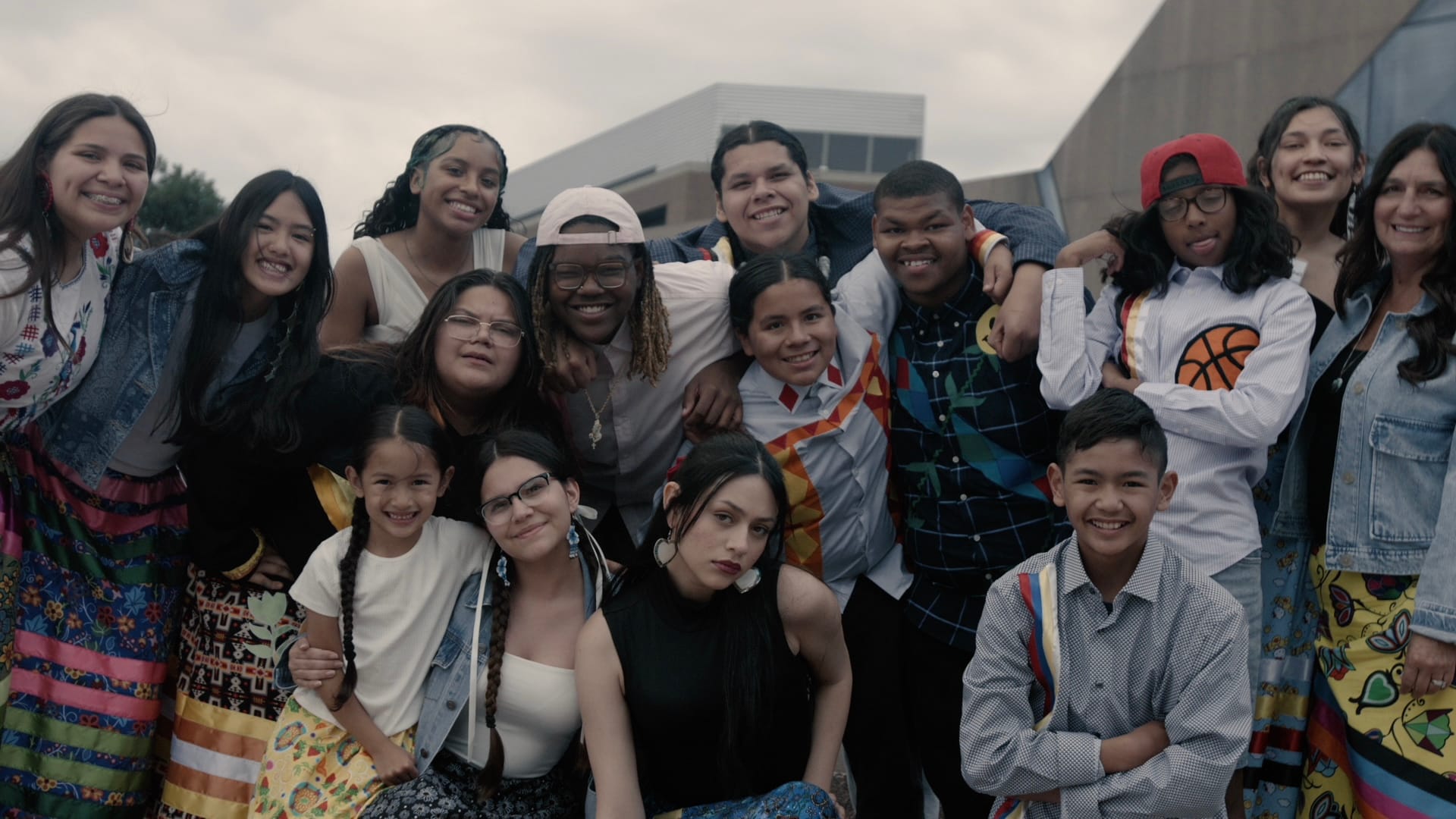
I don't envision a world without tobacco. I envision a world where commercial tobacco no longer defines the story of tobacco. Where our communities have the freedom to protect our sacred medicines, teach our own traditions, and decide what health and healing look like for ourselves.
To me, that's really about sovereignty. It's about being able to tell our own story and making sure the seventh generation inherits our teachings, our culture, and healthier communities — not the harms created for someone else's profit.