


On March 23, 2026, a massive explosion tore through the Valero Energy Refinery in Port Arthur, TX. The explosion shook homes and sent a plume of smoke over the area.
John Beard Jr. lives down the street from where it happened. As a second-generation oil refinery worker who spent 38 years in a facility, he knows the industry inside and out. Today, he’s organizing against the industry polluting his hometown as the founder and CEO of the Port Arthur Community Action Network.
In the latest episode of A People’s Climate, Beard and host and Counterstream Co-Founder Shilpi Chhotray discuss who truly benefits from the fossil fuel economy and who bears its risks.
“Port Arthur is a wonderful and great place, but it has suffered from the indignity of over 125 years of petrochemical expansion and pollution. And that's all up and down the Gulf Coast of Texas and Louisiana,” Beard said. “We're not fighting the companies per se, or against other people, we're fighting for our lives and your lives.”
Port Arthur, a predominantly Black and Latine city, is one of the nation’s largest hubs for oil refining and petrochemicals (the feedstocks used to make plastics):
- The risk for developing cancer caused by air pollution is one in every 53 residents.
- Nearly half of the people living there report living with poor health, according to federal data.
- The average resident makes about $29,000 per year.
Yet in the next five years, 17 new oil facilities or expansions are planned within 8 miles of Beard’s home, piling even more pollution on families who’ve suffered the consequences of the oil and petrochemical industry for generations.
That’s what Beard is fighting to stop.
From U.S. policy toward Venezuelan oil to the expansion of petrochemical production to meet the plastic industry’s demands, he and Chhotray explore why industrial expansion keeps getting approved in communities like Port Arthur, what a just energy transition means for nearby communities and workers, and why it’s important to mobilize.
“This is about life. And this extractive industry is not a giver of life, it is a taker of life,” Beard added. “We’re not going to stop until that battle is won — until all of us can be free from the scourge of fossil fuel pollution.”
Upcoming Events
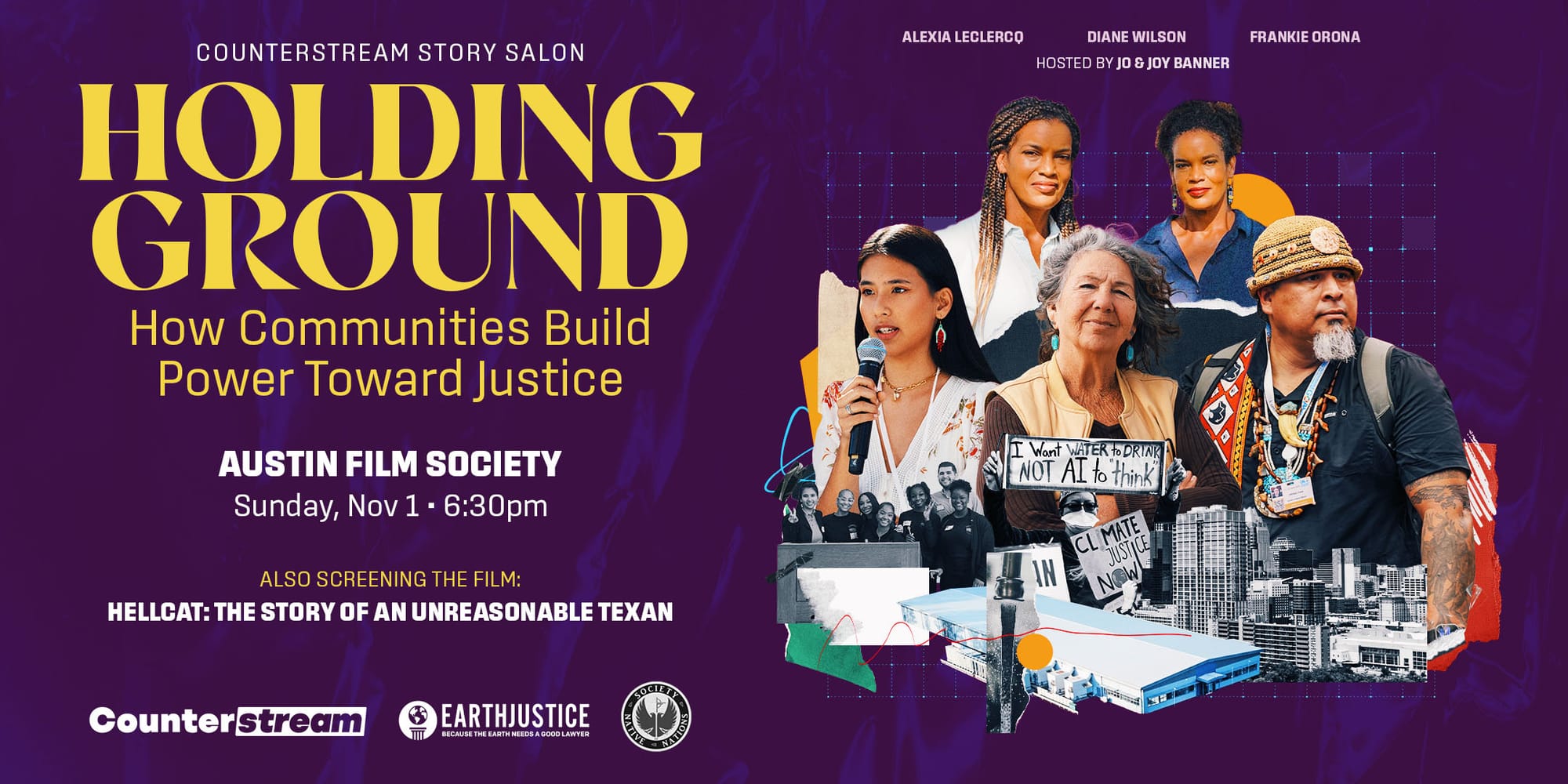
November 1: See Diane Wilson’s new film at our FREE Story Salon in Austin, TX!
Join us for a free screening of HELLCAT: The True Story of an Unreasonable Texan, a documentary about Goldman Environmental Prize winner Diane Wilson's harrowing 35-year war against the petrochemical polluting the Texas Gulf Coast. Wilson will be joined by Texas leaders Alexia Leclercq, Frankie Orona, Jo Banner, and Joy Banner to discuss how communities can build power in the face of extraction. Attend
The Latest at Counterstream
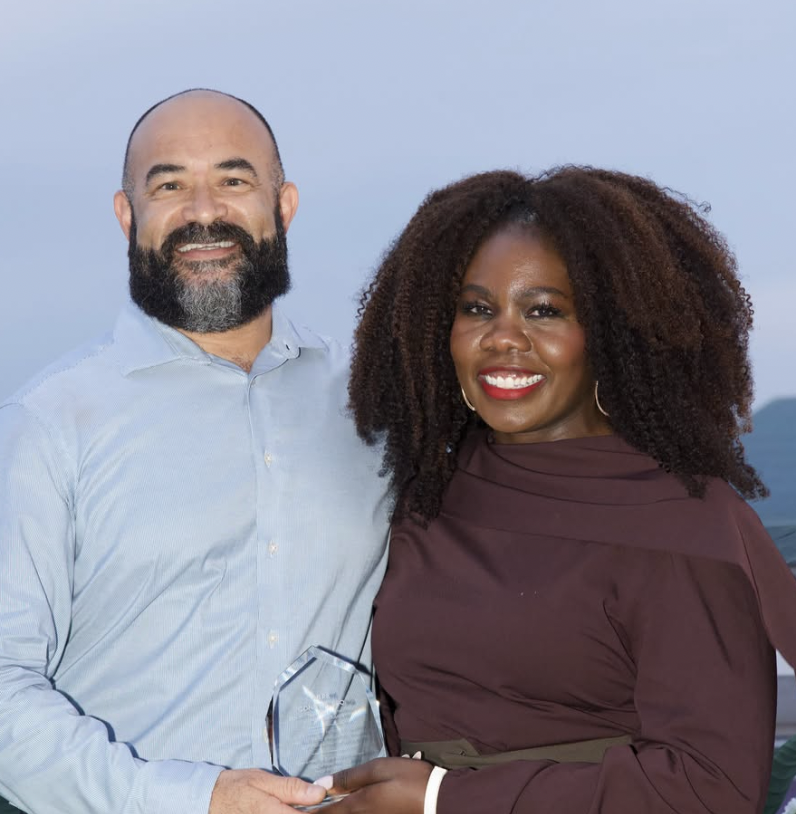
Counterstream advisor Abre' Conner receives award from Earthjustice Action
Conner was honored during Earthjustice Action's Green Room Awards for being a leader driving climate progress and environmental and climate justice. Learn more
Movement News
These Tribes are restoring tobacco’s sacred roots
A new film reclaims the long-standing Indigenous practice of using tobacco as medicine. Counterstream interviewed the film’s creators about what comes next. Read
Indigenous fire burning returns to Minnesota Point after 180 years
After intense wildfires in the region, the Fond du Lac Band of Lake Superior Chippewa set a culturally prescribed burn to regenerate the land. Read
After Deepwater Horizon spill, BP plans to open a massive oil drilling in the Gulf of Mexico
“Federal agencies have gone from merely failing to regulate the oil industry to actively advocating for it.” Read
Worth Revisiting
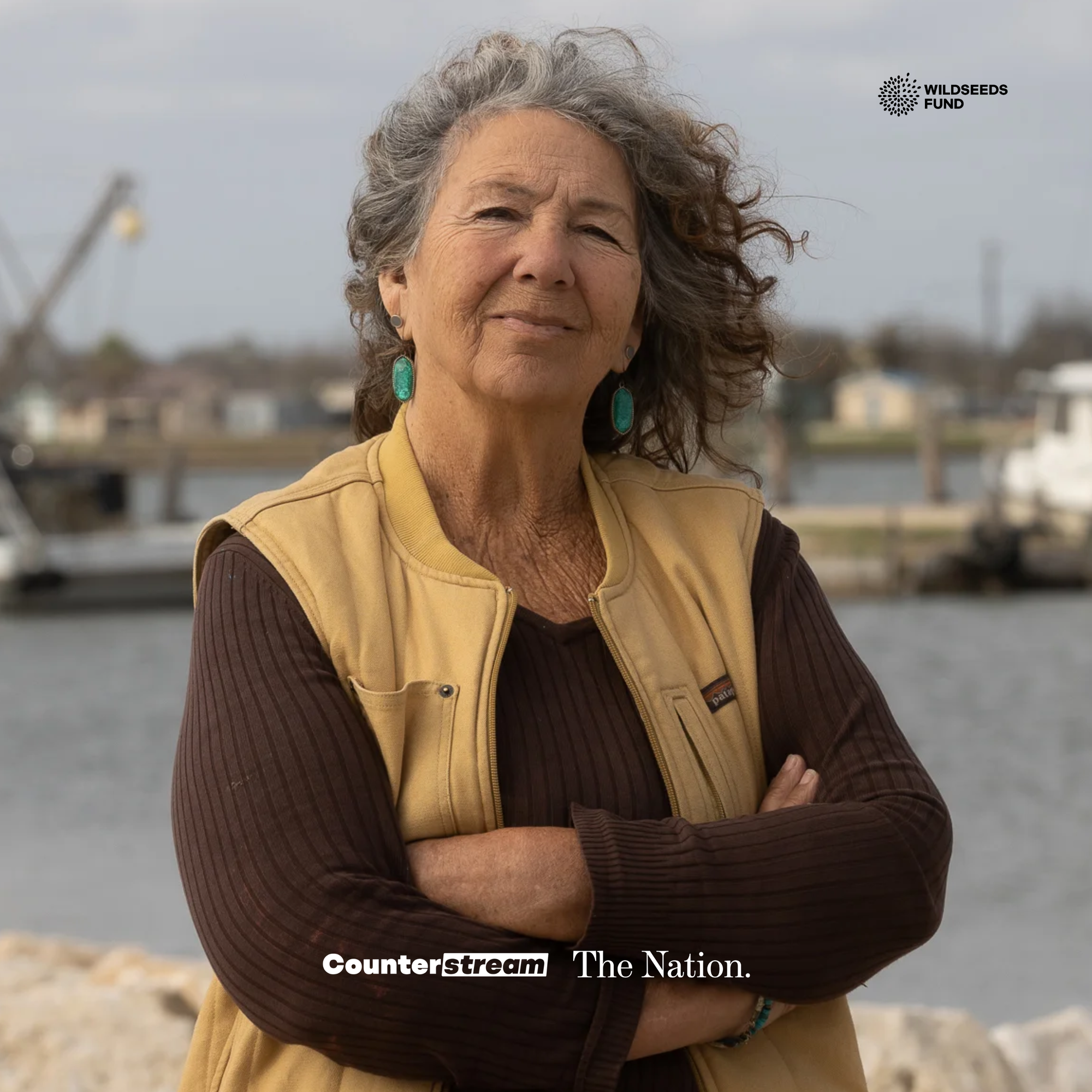
An Unreasonable Woman with Diane Wilson
One woman’s fight against one of the most powerful chemical companies in the world.